
Missed Call Text Back: The Automation Every US Contractor Needs
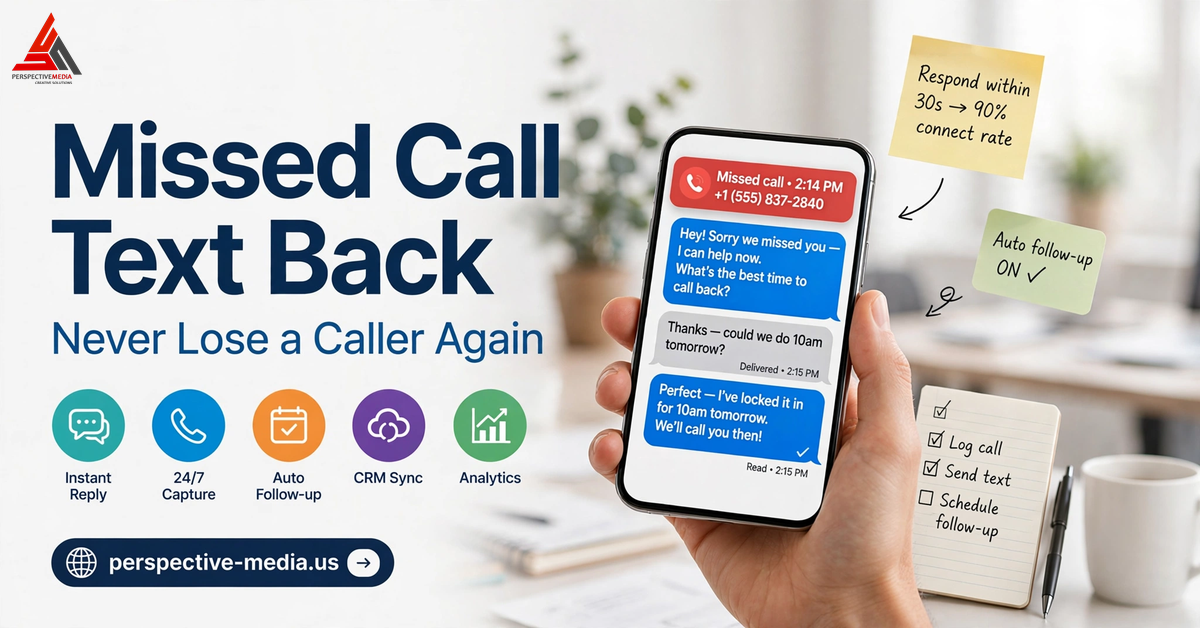
A missed call text back is the single highest-return automation most US contractors have never set up. It is also the simplest: when a call goes unanswered, the system automatically sends the caller a short text within a minute. No app to download, no voicemail to check hours later. The caller — standing in their kitchen with a leaking pipe, or outside a house with a dead furnace — gets a reply from the business they just called, while they are still deciding who to hire.
This guide explains what missed call text back is, why voicemail callbacks lose jobs, how to set it up in an afternoon, what the first text should say, and how it fits into a wider system that fills your calendar. It is written for roofing, plumbing, HVAC, electrical, and other home-service contractors in the US, but the logic applies to any business where the phone is the main way customers buy.
Missed Call Text Back: Why the Missed Call Is the Leak
Most contractors think about lead generation first: more Google Ads, more reviews, better rankings. But a missed call is a lead you already paid for, lost at the last step. You paid for the click or the listing that produced the call, the caller chose your number, and then nothing happened — because you were on a roof, under a sink, or inside an electrical panel, and you cannot answer a phone and do the job at the same time.
The behaviour that follows is well documented. Research summarised by Signpost finds that up to 85 percent of people who cannot reach a business on the first call will not call back — they simply dial the next name on the list — and most callers decide within about 60 seconds whether to leave a voicemail or move on. Most do not leave one. Behind this sits the five-minute rule: businesses that contact a lead within five minutes are far more likely to qualify it than businesses that wait thirty minutes, and after thirty minutes the lead is, for practical purposes, gone. Even at conservative job values, a contractor missing three calls a day is giving up serious annual revenue — not because the work was not there, but because the response was not.
What Missed Call Text Back Actually Does
Missed call text back is an automation inside your phone system, CRM, or field-service software. A call comes in and is not answered — it rings out, or goes to voicemail. Within seconds, usually under sixty, the system sends an SMS to the caller’s number. The message is personal, short, and asks one question. The caller replies by text, and from that moment the lead is no longer a missed call: it is an open conversation thread that stays alive until someone answers it.
That thread is the whole advantage. A missed call expires the moment it ends. A text thread does not. The caller can reply ten minutes later from the hardware store, or the next morning, and the conversation is still there with your business name at the top of their messages. Your office, or an AI assistant, can pick it up, ask the qualifying questions, and book the job. As PipelineOn’s home-service guide notes, SMS open rates run far higher than email, and missed-call text-back reply rates for home-service businesses typically land in the 35 to 50 percent range — not because texting is magic, but because the person just tried to reach you. They are warm. They want a response. Be clear about what this is not: not a robocall, not cold outreach, not a marketing blast. It is a reply to someone who called you first.
Setting Up Missed Call Text Back in an Afternoon
You do not need a developer, and you do not need new hardware. Most contractors already have one of three routes in place: your CRM or field-service software (GoHighLevel, Jobber, ServiceTitan, and Housecall Pro all offer it built in or as an add-on, usually as a settings change); your VoIP phone system, which may include missed-call SMS or offer it through an integration; or a standalone tool, which makes sense if your current software cannot do it and you do not want to change systems for one feature.
Whichever route you choose, set four things before you switch it on. First, which numbers trigger it: your main business number, and any tracking numbers used in ads, so a paid lead gets the same instant reply as an organic caller. Second, the delay: under sixty seconds is the target, and under thirty is better. Third, the hours: most contractors run it around the clock, with a different message after hours that sets expectations about when a human will reply. Fourth, the owner of the thread: someone — a person, an office manager, or an AI assistant — must watch replies and answer them, or the automation just creates a faster way to ignore people.
What the First Text Should Say
The first text does three jobs: it proves a human business noticed the call, it asks one question that moves the job forward, and it sets a clear next step. It should be short enough to read on a lock screen, use your real business name, and sound like it was written by a person. Leave out discounts, links, and corporate language in the first message — this is a reply, not an advertisement.
Good examples by trade:
- Plumbing: “Hi, it’s Dave at Northside Plumbing. Sorry I missed you — I’m on a job. Is water leaking right now? Reply here and I’ll get right back to you.”
- HVAC: “Hi, this is Comfort Air. Sorry we missed your call. Is your system not cooling, not heating, or do you need a quote?”
- Roofing: “Hi, it’s Summit Roofing. Sorry we missed you. Is there an active leak or storm damage? A photo helps.”
- Electrical: “Hi, this is Volt Pro Electric. Sorry I missed you. What’s the issue, and what’s the address? I’ll call you back within 30 minutes.”
Notice the pattern: name, apology, one question. The question matters more than the apology, because it gives the caller something to answer instead of something to wait for. A specific question — is water leaking, is it cooling, is there an active leak — works better than a generic one, because it tells the caller you understand their problem and starts qualification immediately. After hours, add expectations: “We open at 7am and will call you first thing” keeps the thread warm, and for emergencies add a safety line — a gas or burning smell needs emergency services or the utility, not a text thread.
Missed Call Text Back and Compliance: The Rules to Respect
Texting is regulated in the US, and missed call text back sits on the safer side of those rules because the recipient called you first — but “safer” is not “unregulated”, and the details depend on your provider, your state, and how you use the thread. Three practices keep you on solid ground. First, reply, do not prospect: only text numbers that called you and were not answered, never a purchased list or a cold database. Second, keep the first message informational and related to the call, and include an opt-out — “Reply STOP to opt out” — so any recipient can end the thread with one word. Third, once a caller opts out, stop, and make sure your system records that across every number and tool you use. Do not turn the thread into promotions or unrelated marketing without separate, clear consent.
Carrier rules add a second layer. US carriers filter business SMS, and messages from unregistered numbers, or messages that look like spam — links in the first message, all-caps offers, misleading sender names — are more likely to be blocked. Register your business number properly, use a consistent sender name, and keep the first message plain text with no link. If you are unsure about a setup, check with your provider or a telecom attorney before scaling it. This section is practical guidance, not legal advice: text back the people who called you, say who you are, give them an exit, and never turn a reply into a campaign.
From One Text to a System That Books Jobs
Missed call text back is the entry point, not the whole system. First, the instant text opens the thread. Second, qualification by text: the reply asks the trade-specific question, then follows up with the address, urgency, and a time window — a job an AI assistant can hold at midnight without a human watching the phone. Our guide to AI appointment booking walks through that flow in detail, and missed-call text-back is its first step. Third, booking into a real calendar: the qualified caller is offered actual open slots, not a link to a scheduling page they may never open, with a confirmation text. Fourth, reminders and follow-up: automatic reminders cut no-shows, and a follow-up text after a missed appointment or a quiet quote recovers jobs that would otherwise drift away. Fifth, everything logged in the CRM, so the next person who talks to that customer knows the whole story — and so you can report monthly on missed calls, text replies, and bookings.
That reporting closes the loop with your advertising. If you are paying for calls through Google Ads, a missed call is a paid lead thrown away, and the fix costs far less than the lead did. Our guide to Google Ads budget planning for small businesses covers sizing spend from real conversion costs, and missed-call recovery belongs in that maths. The wider picture is on our AI automation page, where text-back sits alongside booking, reminders, and follow-up as one connected system.
Missed Call Text Back: The Bottom Line
A missed call text back system does one thing, and it does it in under a minute: it tells a caller who just tried to reach you that they were not ignored, and it keeps the conversation open until someone can help them. The setup takes an afternoon, the message takes five minutes to write, and the return is measured in jobs you already paid to generate but were losing to voicemail and to competitors who answered faster.
Set it up this week: pick your route, write the trade-specific first text, set the under-sixty-second trigger, name the person or assistant who watches replies, and add the opt-out. Then measure it for a month — missed calls, text replies, bookings — and watch what happens to the number you used to ignore. The cheapest new leads your business will ever get are the ones already calling you. Make sure they get an answer.
One response
Comments are closed.